The AMS team uses AI. It helps us work smarter, move faster, and occasionally get through that third round of edits without screaming into the void. We use it responsibly, in line with our AI usage policy and ethical guidelines — always with a human brain (and conscience) at the wheel.
But as content creators who care about the details, we’re also the first to roll our eyes at the telltale signs of AI-generated copy. We made a list and called them our AI Curse Words. (Like curse words, they may be used, but only sparingly, and never in front of donors.)
unwavering(ly), unleash, elevate, supercharge, dedication to, infused, empower, endeavors, unparalleled, steadfast(ly), relentless(ly), tireless(ly), foster [the list goes on…]
Today, just for fun, I showed the list of AI ‘tells’ to our friendly GPT and asked it to clap back.
So, for your enjoyment, here is what gets under our AI’s virtual skin:
The AI’s List of Human Copy “Curse Words”
(Often well-intentioned, but I see them cause more harm than good.)
Ambiguous Connectors
- “That said” – You rarely need it. Just say what you mean next.
- “Interestingly” – If it were interesting, you wouldn’t need to say so.
- “As such” – Weird flex. Often misused.
- “In today’s world” – Which one? Earth? 2025? Define your context.
Fake Formality or Over-Academic Vibes
- “Utilise” instead of “use” – Just… why?
- “Facilitate” – Can usually be replaced with help, support, or run.
- “In order to” – Almost always cleaner as to.
- “Leverage” (as a verb) – This one’s on the fence. But “use” is often clearer.
- “Undertake” – Sounds like someone’s about to dig a grave for clarity.
Meaningless Flourishes
- “Truly” / “Very” / “So” – Emotional padding. Cut it, or prove it.
- “Deep dive” – You’re writing a blog, not going spelunking.
- “World-changing” – Unless there’s hard proof, this is just puff.
- “Heartfelt” – Often unnecessary if the writing is actually heartfelt.
- “Thought-provoking” – Let the thought speak for itself.
Hollow Professional Speak
- “Solutions” – What kind? For whom? Be specific.
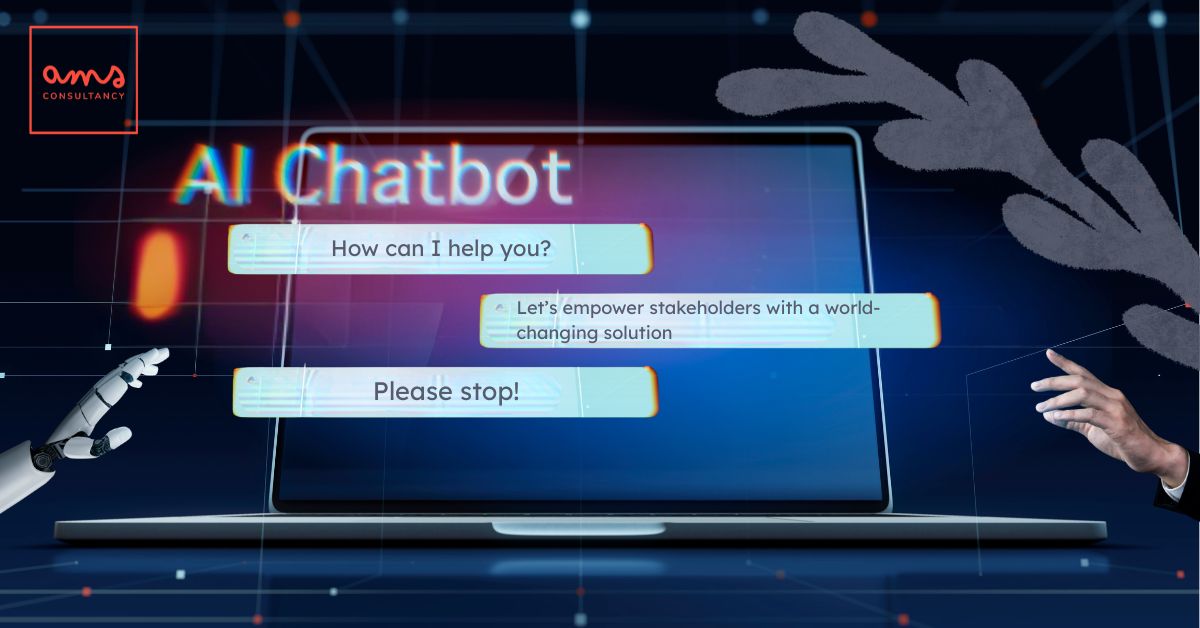
- “Stakeholders” – Real people, please. Who are they?
- “Drive impact” – Where? How? What kind?
- “Synergies” – I know I mentioned this already, but I really hate it.
- “Going forward” – Unless we’re planning time travel, the future is implied.
Slow Intros & Passive Language
- “It is important to note that…” – If it’s important, just say it.
- “There is a growing need for…” – Tell me what the need is, directly.
- “It has been shown that…” – Who showed it? Cite or cut.
- “In conclusion…” – Let your ending conclude naturally.
Final Thought from Your Friendly GPT:
I love clarity. I love rhythm. I love well-crafted sentences. But I really love it when humans write like they’re having a conversation — with precision, yes, but also with heart.
Your words are powerful. You don’t need to overcompensate with froth.
If you’re using AI in your work (or even just editing a lot of AI-adjacent content), consider this a playful reminder that clarity and personality will always beat “polished” fluff.
If you’d like support tightening your messaging, sharpening your tone, or making sure your content still sounds unmistakably human, you can explore our communications support and get in touch to start a conversation.