

Why the best communications leaders choose kindness
In a world where you can be anything – be kind. That’s a great maxim and I try to follow it.
If you have seen my recent piece about showing up for impact work, you will already know that our team meetings are adorable. We can hardly get any business done, we spend so much time expressing gratitude for each other and for the chance to create the impact-driven comms work our studio produces.
At a recent meeting, our colleague Rima shared this lovely thought as the final word:
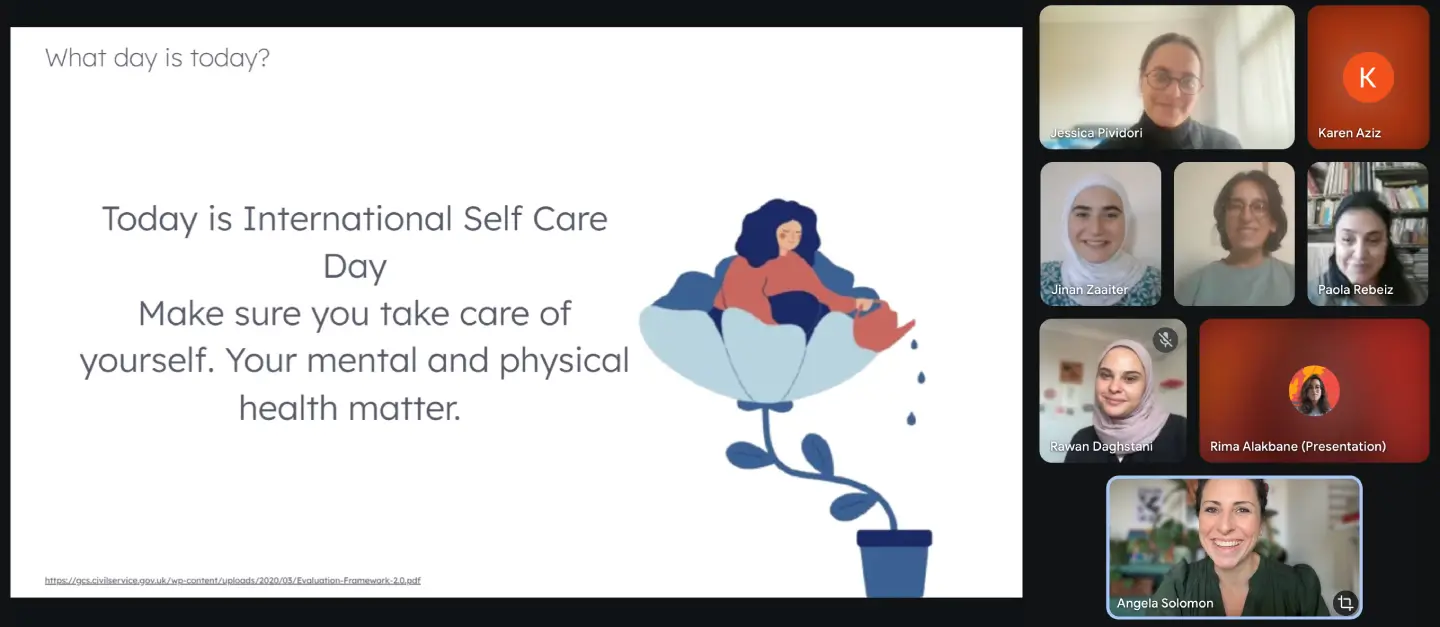
This was one of our best-performing social posts this month. And on reflection, that should be no surprise: kindness and thoughtfulness strike a chord with audiences. We all crave positive news. Something in us wants to reward and celebrate good things, even if it’s other people doing them.
Once I organised a baby massage workshop for two new mums in my neighbourhood. One asked me afterwards what charity I’d like her to donate to – “because something so lovely should be paid forward.” The kind gesture stays with me to this day (despite the mum hormones withering my memory of other things, like my baby’s first word…)
And being kind, it turns out, does even more than make strong relationships. Kindness has a business case. For communicators and leaders, it’s not just an ethical way to behave, but also a superpower we can enlist to grow our impact.
The business case for kindness
Kindness at work is an adjacent concept to emotional intelligence, servant leadership, and safe work cultures. The data makes this case even clearer:
- Harvard Business Review (2022): Employees who feel their leaders are kind and compassionate report 70% higher engagement and 3x higher retention rates.
- Journal of Organizational Behavior: Teams that practise kindness show greater collaboration, innovation, and resilience under pressure.
- Deloitte Human Capital Trends 94% of executives and 88% of employees believe that a distinct culture, defined by values like respect and empathy, drives business success.
It may not be rocket science, but it’s definitely handy to know that kindness creates a measurable effect on psychological safety, and in turn enables high performance.
For Communicators: Telling the Story of Kindness
As communicators, we can also harness the power of kindness in our strategic messaging.
Sarah Browning, founder of Time for Kindness, made a case for kindness in comms during a recent webinar. “Kindness can be perceived as fluffy—but it doesn’t have to be,” she says. And quite right. In an age of content fatigue, misinformation, and a surplus of AI-generated verbiage, kindness offers a way to create genuine connection through comms.
Here are three practical ways to build kindness into storytelling, especially if it’s one of your organisation’s values
- Spot real examples. Look for courageous conversations, values-driven decisions, and people who took the extra step. These are the story we want to hear.
- Name the impact. Something generous or thoughtful happened. What changed? Who benefited? It’s the ripple effects that help us understand the importance of the kind act.
- Use the language of kindness. Signposting kindness at work helps us understand how you’re shaping your brand or articulating the organisational culture around the concept.
I’d much rather see a happy story in my feed than another statistical graphic, or a generic post celebrating National Blueberry Muffin Day. (Give the muffins to a nursing home though and you might be onto something…)
Kindness as a Leadership Standard
Communications is a reflection of culture. So if we want to tell better stories about kindness, we need to model it, too.
Thankfully it’s easy to be a kind leader. All we have to do is…
- Set boundaries with clarity
- Provide feedback that is honest and constructive (but don’t avoid hard conversations when they are needed)
- Hold people accountable without blame or shame
- Make space for vulnerability.
Being a kind leader doesn’t mean you are ‘nice’ but ineffectual. Leaders can be kind and own their space, but in ways that are inclusive, empathetic, and growth-oriented. And we can be kind while also insisting on excellence. A leader can be kind and still say ‘no’ when they need to.
And we can solve problems with kindness and still avoid being a doormat. I’ve learned the most from leaders who led with kindness (not fear).
Kindness as a strategy
Many of the clients we support at AMS are navigating conflict, crisis, and complexity. In those spaces, kindness isn’t just welcome. It’s essential. It builds trust (along with its sisters, authenticity and reliability).
Kindness is the path to excellence.
If you would like to work with a team that prioritises kindness, please check out our services and our open job opportunities.
Thank you to Sarah Browning for the CIPR Webinar that inspired this piece. Check out her organisation, Time for Kindness, for more heart-warming stories and branding insight.