
Research skills are the communicator’s not-so-secret superpower.
Research skills are an essential part of any communicator’s toolkit. I know we often want to skip-to-the-end and have a fully formed strategy. But while impatience is an asset on a media deadline, strategy development needs us to channel that energy into a disciplined, step-by-step process.
Why research matters in PR
Most established PR frameworks put research front and centre. The ROPES model (Research, Objectives, Programming, Evaluation, Stewardship) is a classic example. Other popular frameworks include:
- RACE (Research, Action, Communication, Evaluation)
- ACE (Analyze, Communicate, Evaluate)
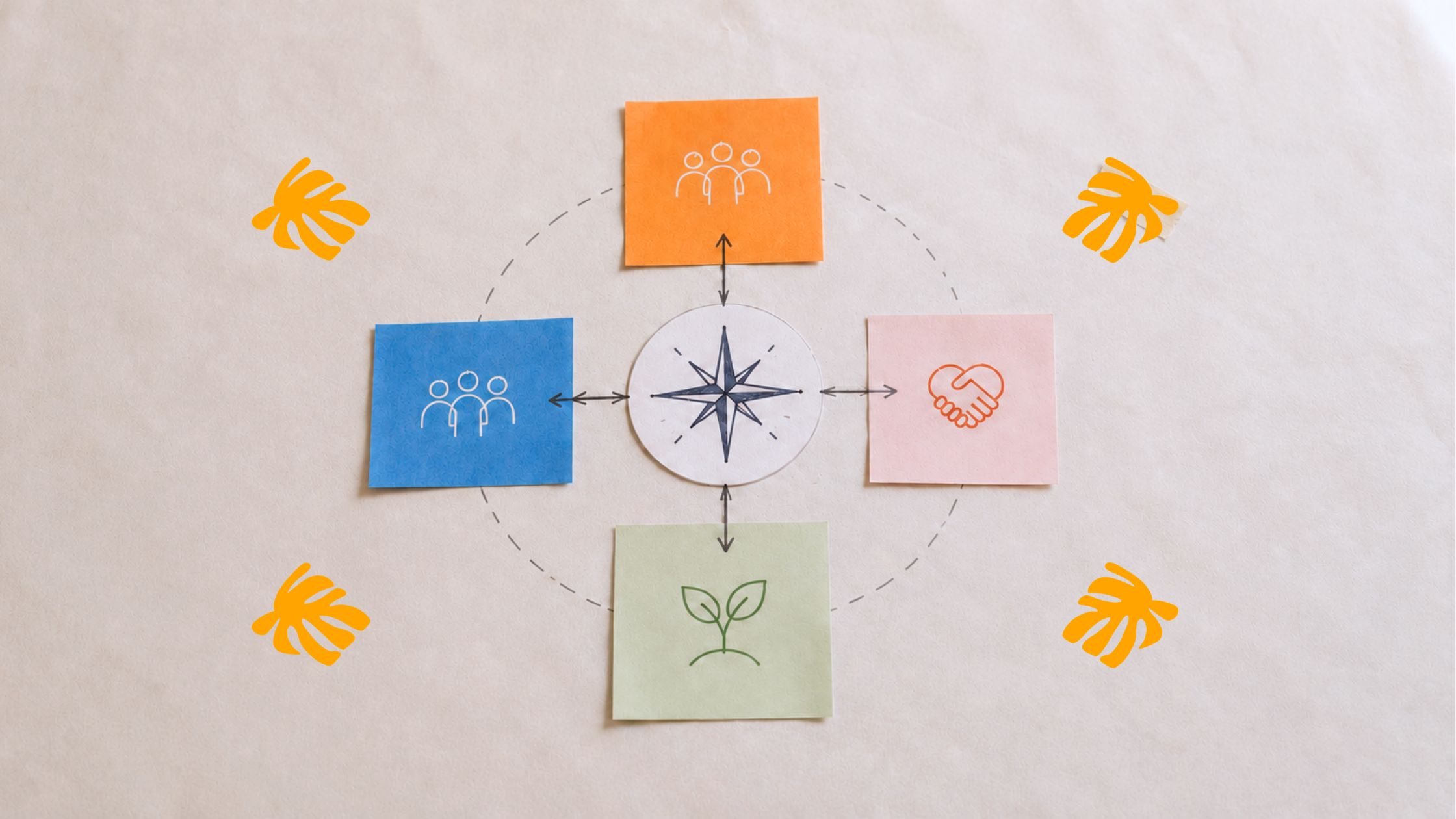
We’ve developed our own version of this which places our partners and clients at the centre:
L – listen
A – analyse
C – create and communicate
E – evaluate
Listening and analysis, the first two steps in our process, are underpinned by research. This includes both primary (listening, surveying, and digging into past performance) and secondary (industry reports, trends, and open source data).
Without this, we would essentially be guessing – and risking wasting resources unnecessarily. The purpose driven organisations we support deserve much better than that.
What should PR research cover?
When preparing a communications or PR strategy, research should span several key areas:
Audience research
- Who exactly are you trying to reach?
- What do they care about?
- Where do they get their information?
Example: A 2023 Edelman Trust Barometer report found that 59% of consumers buy from brands they trust — meaning knowing what builds that trust in your audience is vital.
Media landscape analysis
- Which journalists, outlets, or platforms are influential in your space?
- What stories are they covering right now?
- How do they like to be approached?
Competitor and peer analysis
- Who else is talking to your audience?
- What’s working for them?
- Where are the gaps you can own?
Trend and issues monitoring
- Are there wider social, political, or cultural shifts you need to anticipate?
- Could they present opportunities or risks to your campaign?
Internal insights
- What stories, data, and expertise already exist inside your organisation?
- How can you leverage them for external comms?
Core research skills in communications careers
If PR or comms is a career you want to grow in, the key research skills to sharpen are:
- Asking good questions – Being clear on what you want to learn from your research, not just following the information you can readily find.
- Critical thinking – Filtering out noise, spotting biases, and identifying the most credible sources.
- Data interpretation – Turning numbers into clear, actionable insights for decision-making.
- Story mining – Finding the human, relatable angle hidden in reports or statistics (or even technical webinars, manuals, etc.)
Specialising in PR research
Some PR professionals focus almost entirely on research, working in roles such as:
- Media intelligence analyst
- Audience insight manager
- Social listening specialist
Organisations like PRCA (Public Relations and Communications Association), CIPR (Chartered Institute of Public Relations – which I am an accredited member of), and AMEC (International Association for Measurement and Evaluation of Communication) offer research-specific training and qualifications in areas like communications measurement, evaluation, and data-driven strategy. When you join a professional body you also get access to research, data and guidance that organisation produces to advance our profession.
Research in action at AMS
AMS fosters a research culture that goes beyond box-ticking; it’s driven by how we create value for clients. We use the LACE framework (see above) to plan our work. We take first-hand insights drawn from our nonprofit work to write blogs and share sector-specific knowledge with the wider PR and nonprofit community.
Our communications audits, for example, give clients a clear picture of their current positioning, strengths, and areas for improvement. This kind of evidence-led approach means that when we advise on changes, they’re based on hard facts — not hunches. And now that we have over a dozen of these, we can start to pull out trends (using those research skills!) that can inform and support others as well.
In the private sector, companies often commission research surveys to generate headlines and shape public debate about their industry. In the nonprofit world, we’ve seen this used powerfully to spotlight social issues – for example, recent Theirworld research revealed that 47% of UK LGBTQ+ students surveyed said they were bullied or discriminated against at school or university because of their sexual orientation. This formed the basis for campaigning and further programming that attracted attention to this issue and made steps towards change. We have several expert partners lined up to help when our clients want to commission research like this, too.
Why research is worth the effort
Strong research upfront saves time, money, and frustration later. Knowing the context well gives you the confidence to defend your strategy to stakeholders, helps you choose the right tactics, and increases the likelihood of measurable impact.
And in your broader career within the nonprofit world, research is just as central to strategic planning and service development as it is to PR. Whether you’re mapping out a three-year organisational plan or designing a new programme, most frameworks begin with a discovery or diagnostic phase. Tools like SWOT analysis (Strengths, Weaknesses, Opportunities, Threats) and PESTLE analysis (Political, Economic, Social, Technological, Legal, Environmental) help teams assess internal capacity and external context. Innovation approaches such as Design Thinking and the Lean Startup Methodology start with deep research into user needs before moving into prototyping and delivery. Impact-focused planning tools like the Theory of Change and Logical Framework Approach (Logframe) also rely on strong evidence at the outset to ensure that every activity is grounded in a clear understanding of the problem and the pathways to change.
In short, regardless of sector, research is the foundation that sets any strategy in the right direction.
If you’re looking for a learning-oriented team that can support you across your communications and PR goals — from deep-dive research to strategy and delivery — AMS would love to hear from you.