
In a volatile information environment, professional development is a way to protect yourself from becoming obsolete and lean into the opportunities that rapid technological and workplace change can offer.
I’ve been diving into the concept of ‘continuing professional development’. What does that mean, today, for comms professionals? I’m an obsessive life-long learner, but with all the change around us I am sometimes overwhelmed about what to focus on.
Not for the first time, I found the answers to my own questions while attempting to give to others. (Volunteering is such a two-way street.)
Earlier this year, I co-hosted a webinar for members of the Chartered Institute of Public Relations (CIPR)’s Not-For-Profit Group. To maintain your membership of the CIPR you have to log at least 60 ‘continuing professional development points’ (CPD points) per year. I thought it would be brilliant to share some hacks to inspire and motivate the group’s members to get there.
And yes, it was definitely a brilliant idea to share some hacks. We had lots of sign-ups. But what would those hacks be?
The magic is in the framework (argh)
I spent hours combing the resources available on the CIPR’s platform, and researching what CPD means and how it is structured. My excellent colleague Stuart McCarthy-Thompson, who has been a member of the CIPR for 20 years, agreed to share his personal journey and came up with a ton of excellent tips. His advice: log as you go, use drafts in the platform, and don’t leave everything to the last minute before the filing deadline.
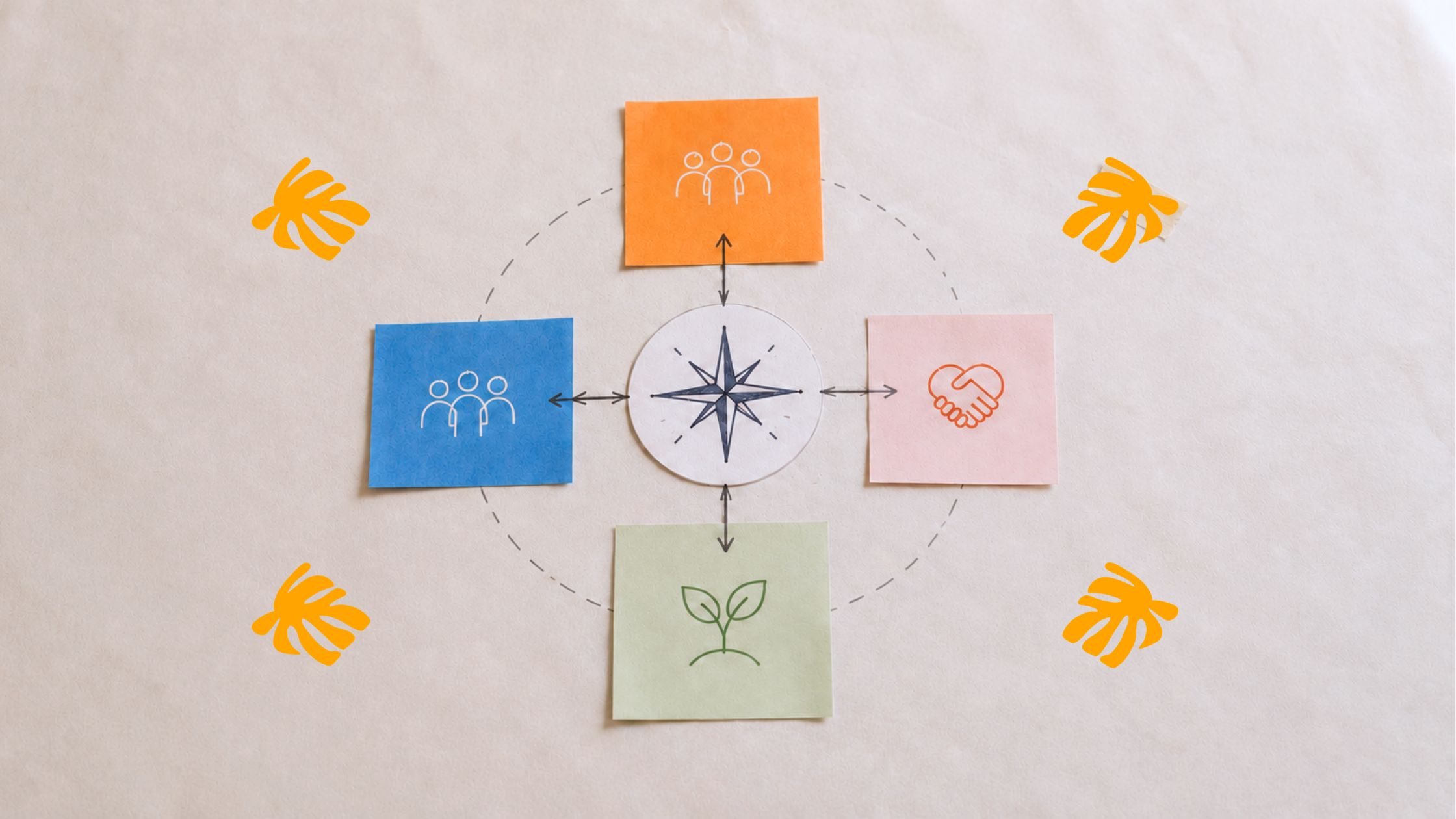
This advice was all framed within the CIPR’s framework – and that’s where I had my realisation. In a world of infinite access to information, it’s frameworks that help us make choices. Whether you have a CPD points target, or a professional development plan, the most important moment in your growth this year might be just putting your aims down on paper. You could learn ANYTHING – yikes! But when we decide where we’re trying to get to, we can pick the learning that pushes us along that trajectory.
Learning is our best defence against unwelcome change
CIPR President Farzana Baduel spoke at the webinar, too. She described CPD as a “defence mechanism” for our profession. And this is a good point. Keeping your job, progressing your career – these formerly normal things are now opportunities we seem to have to pursue with extra vigour.
And there is also a good reason for that, because comms is a kind of front line in the information war. Misinformation and disinformation rank among the World Economic Forum’s top global risks. AI-generated content now scales at a speed and volume that most teams cannot match – that’s why the Economist’s Word of the Year 2025 was “slop”. There are more reasons than ever to doubt the information we receive.
And communicators are experiencing that challenge every day. We are the ones advising leadership on risk, interpreting and keeping up with new regulations, responding to reputational threats, and often navigating ethical grey areas (e.g. lobbying, AI, the list goes on). We’re constantly updating our understanding of what influence really looks like in our era, and how to wield that influence ethically.
That is complex work, and to respond to that changing environment our knowledge needs to keep updating too.
Professional rigour
One reason I’m so glad I joined a professional body like CIPR is that CPD gives me a structure to support my growth (and make sure I do it) – as an independent professional and founder, there is no boss to suggest training courses for me or give me developmental feedback. Many freelancers and independent practitioners have said this can feel quite lonely, and I agree.
In other professions, CPD is a given. Lawyers, accountants and doctors have specific requirements for CPD that they must fulfill – it’s a baseline requirement. Public relations was perhaps a bit behind the curve on setting that standard, but in 2024 to 2025, almost 3,000 CIPR members completed their annual CPD via the 17,500 learning activities they (we) logged.
And since CIPR is just one of the multiple professional communications bodies for comms and marketing, this shows a profession taking itself seriously. And this replays throughout our work: comms leaders are better at interacting with and increasingly, being members of corporate and charity boards, with authority in rooms where decisions are made.
Ethics, AI, and self-regulation
Coming back to our webinar, and the balance of professional development throughout the year, one of the fundamental themes that came up with our attendees was ethics. Five ethics points are mandatory within the CIPR’s 60-point annual cycle. From April, EDI learning will also become mandatory. This reflects the pressures we face as communicators, especially with AI tools raising questions about bias and data privacy. But we’re also in an environment where we face disinformation campaigns that overreach responsible influence, and political and geopolitical tensions that have elevated the risk profile of public debate. Knowing about ethics is essential to giving responsible advice on these areas that are increasingly core to our jobs.
Learning that gives you strategic foresight
It can be hard to see even 3 months ahead, let alone further into the future. But this is the kind of thinking we need if we’re really committed to long-term professional growth. Learning activities should not be about plugging gaps in your skill set today, but more about thinking, what will I need to understand in five years’ time? For nonprofit comms leaders, I think that could include:
- AI governance.
- Ethical storytelling; safeguarding.
- The science of trust and how this may be evolving.
- Inclusive and accessible communications.
- Digital transformation of comms teams. (Yes, even more!)
- Resource management and decision making.
Hopefully with some longer term planning, we can all build our capability across these areas, and be prepared and ready to respond to whatever developments the world is going to throw at us.
…and finally
Learning is the ‘defence mechanism’ that enable us to grow our relevance and impact, in a world of change. This isn’t just for PR or comms professionals – we are all facing unprecedented turbulence even in careers that were previously thought to be ‘safe’ from digitisation. CPD is about protecting your professional relevance in a fast-moving world, and anticipating the role comms needs to play in the future.
Learning has never been optional for communicators – it’s always been part of the job. Now, learning is part of protecting the profession’s future. Great reasons to invest in our personal and collective growth.
–
AMS is a boutique communications agency that helps purpose-driven organisations with their communications strategy and execution. We support leaders to build confident, ethical, and future-ready communications functions through strategy development, training, and facilitation. To find out more, visit our homepage or get in touch.