How to design workshops and retreats that really deliver behaviour change
The problem: good conversations, limited outcomes
Workshops and retreats are often designed to create space for discussion, reflection and alignment. In practice, many generate energy in the room but fail to translate that energy into action. We’ve seen this happen countless times – and when we were asked to facilitate several workshops this month, we got curious about what makes a short session stick, even months later.
Ambiguity is one of the hardest challenges. Teams might open up and explore ideas such as collaboration models or strategic direction, but then leave without clear agreements on roles, ownership or next steps. Research supports this pattern: unclear decision-making processes are one of the main reasons strategy initiatives stall after workshops.
The result is strong conversations, but limited commitment. And usually that means someone takes away a long action list after the workshop… which may or may not be implemented.
Define the decision, not just the discussion
Effective workshops start with a clear objective. This might sound obvious, but crafting that objective around a genuinely ‘smart’ goal can be challenging. As with so much of strategy and planning, the effort that goes into this tends to pay off later.
A good objective has sharp language – not “working together”, but really defining what that means – “mutual, respectful partnerships where all parties are committed to co-design and long term collaboration”. Without this, participants may leave with different interpretations of success.
Practical approaches include:
- Framing sessions around questions that hold a decision within them: for example, “What type of partnership are we pursuing?”; “What do we want a new joiner to learn about our values?”
- Making trade-offs explicit: clarifying what will not be prioritised. We always run a “parking lot” during workshop development where we clearly place session ideas or goals that don’t fit. A cardinal sin of workshop design is trying to cram in too much.
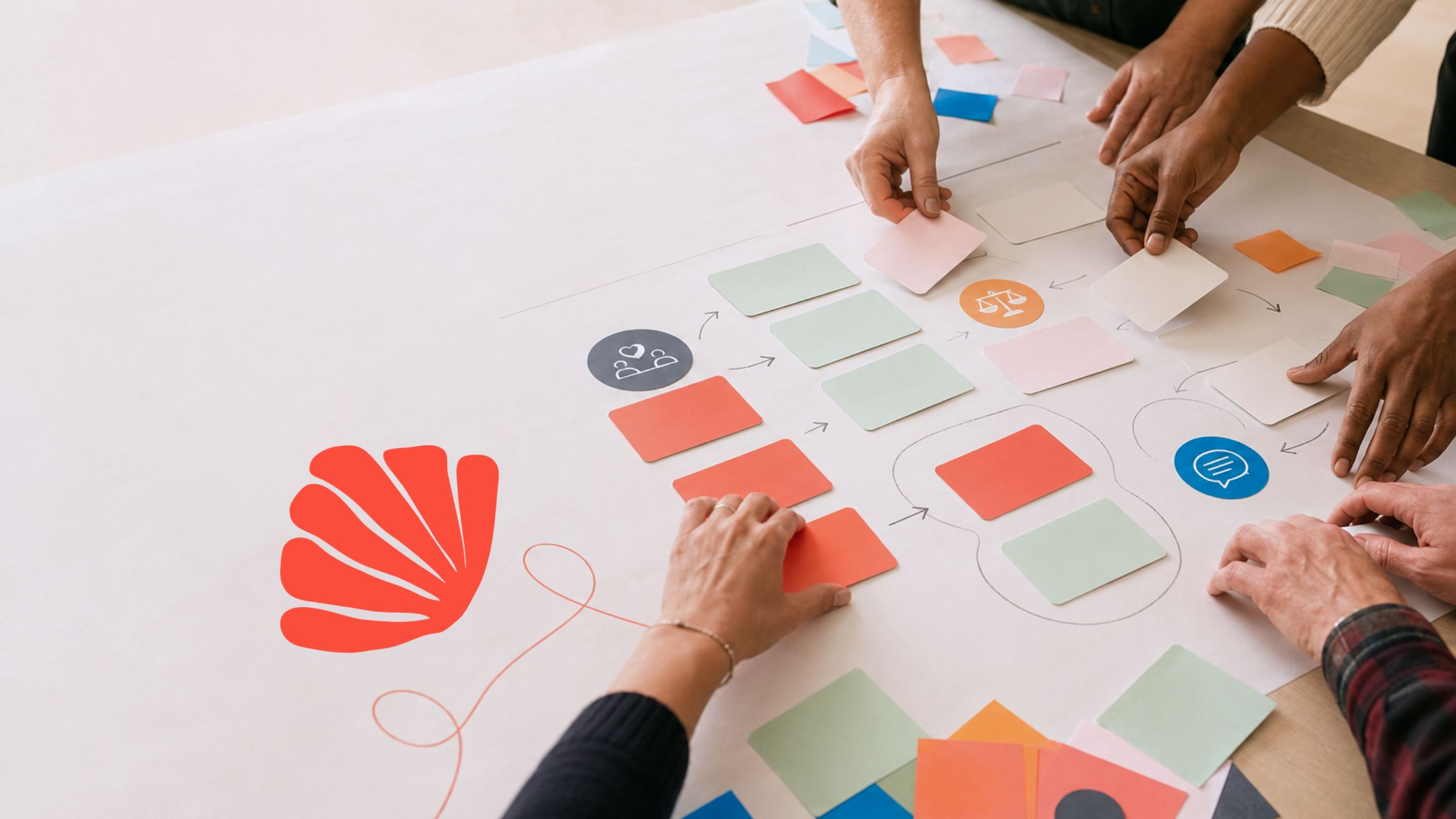
- Capturing decisions: visible outputs that participants can see – on a flipchart, whiteboard or even a simple document. Visual thinking can be really helpful here in building a shared understanding of what’s been decided.
The facilitator has to ensure they move the group from exploration to decision-making, signpost this, and make the decisions visible to all.
Use communication to reduce risk and increase buy-in
Workshops are not just facilitation exercises, they are communication moments. The way ideas are framed influences whether participants feel confident committing to them. And the way precious ‘together time’ is used signals a lot about the host organisation’s values and culture.
Evidence from behavioural science shows that people are more likely to act when their actions and outcomes are clearly articulated.
In practice, this means:
- Clarifying the value exchange: what each party gains from a decision
- Using simple, consistent language: avoiding jargon or overcomplicating
- Building a sense of urgency: why action is needed now, not later
Strong communication reduces the perceived risk for participants, which is often the barrier between agreement and commitment (or between hesitancy and creativity).
Design for follow-through, not just participation
The final test of a workshop is what happens after it ends. One effective way to design for follow-through is to embed accountability into the session itself.
This can include:
- Assigning clear ownership for each decision
- Agreeing immediate next steps and timelines
- Linking outcomes to existing strategic priorities
- Allowing people to make personal commitments themselves and having a mechanism for holding them accountable
Studies show that initiatives with clearly assigned owners are significantly more likely to be implemented successfully.
…and finally
Workshops succeed when they help participants move from conversation to commitment. Creating the environment for that depends on clarity, communication and intentional design.
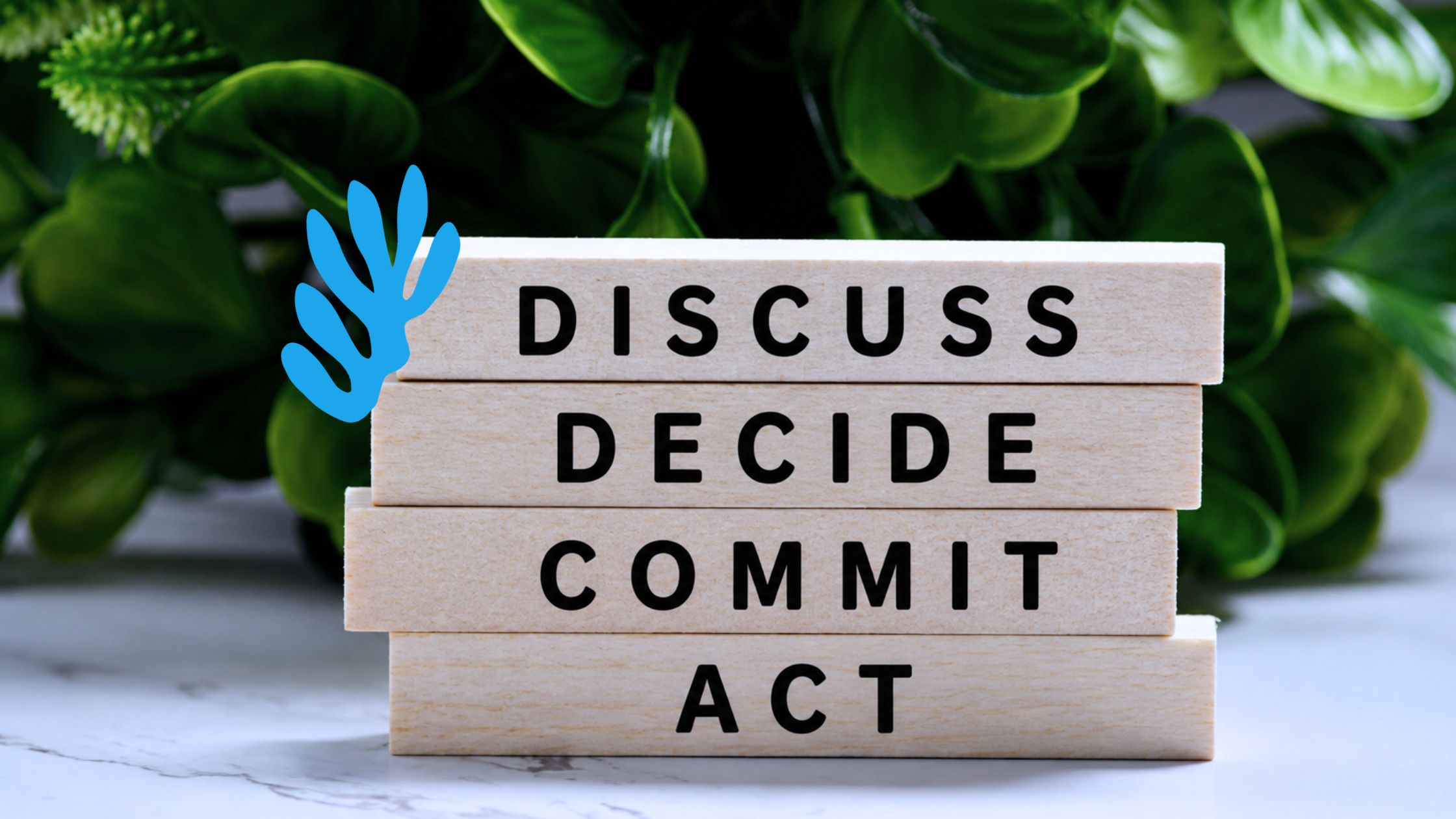
A productive discussion is not the goal: a clear decision is, with behavioural change that follows.
–
AMS is a boutique communications agency that helps purpose-driven organisations with their communications strategy and execution. We design and facilitate workshops that turn complex discussions into clear decisions and actionable next steps. To find out more, visit our homepage or get in touch.